Miracle in Milan (1951) MUBI
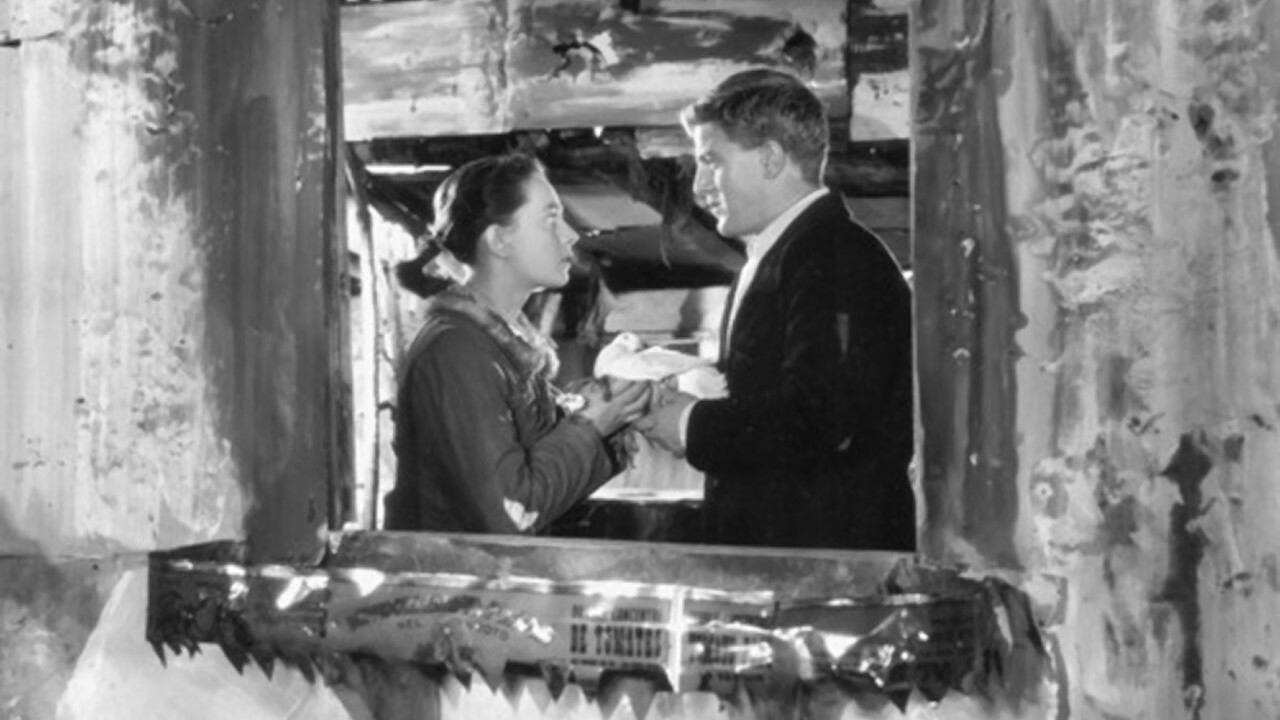
Film de Vittorio De Sica · 1 h 37 min · 21 novembre 1951 (France) Genres : Comédie dramatique, Fantastique. Pays d’origine : Italie. Fiche technique. Toto, garçon simple, réputé pour ses miracles, s’établit dans un bidonville de Milan et découvre des hommes pauvres mais solidaires.. MIRACLE IN MILAN Miracolo a Milano. Directed by. Vittorio De Sica. Italy, 1951. Comedy, Drama, Fantasy. 97.. Vittorio De Sica’s Cannes-winning fable introduces ghosts, angels, and miraculous wishes to the neglected slums of Milan. Though grounded by the grittiness of poverty, the pursuit of happiness is also lifted by a playful dose of.
Miracle à Milan, un film de 1951 Télérama Vodkaster
![Miracle à Milan [DERNIÈRE SÉANCE] Cinéma](https://www.cinemamoderne.com/wp-content/uploads/2021/12/miracle-in-milan-still1-1536x864.jpeg)
Miracle à Milan [DERNIÈRE SÉANCE] Cinéma Moderne
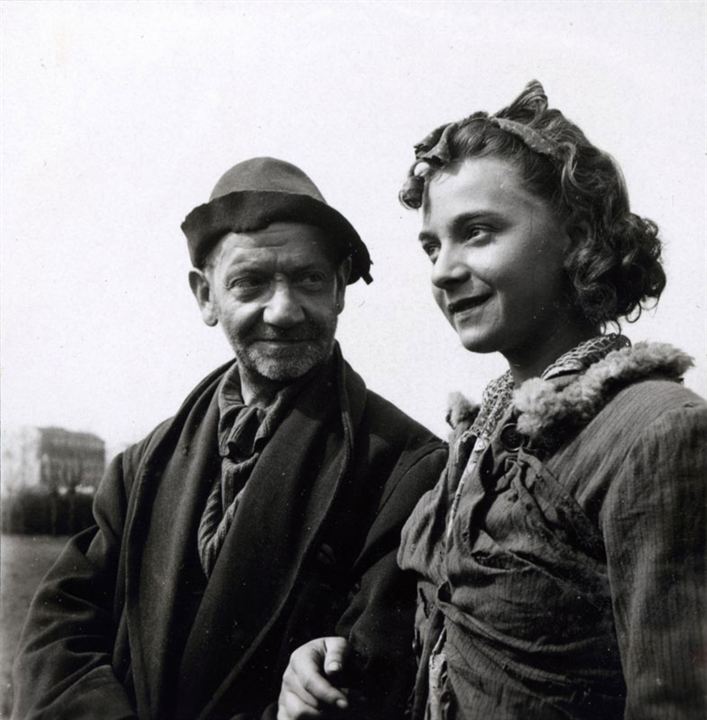
Photo du film Miracle à Milan Photo 3 sur 17 AlloCiné

1951miracleinmilanposter.jpg Home Theater Forum

Miracle in Milan (1951)

« Miracle à Milan » de Vittorio De Sica. Critique dvd L’heure de la sortie

Film Forum · MIRACLE IN MILAN

Regarder Miracle à Milan en streaming complet et légal

Miracle à Milan (Miracolo a Milano) Le Grand Action
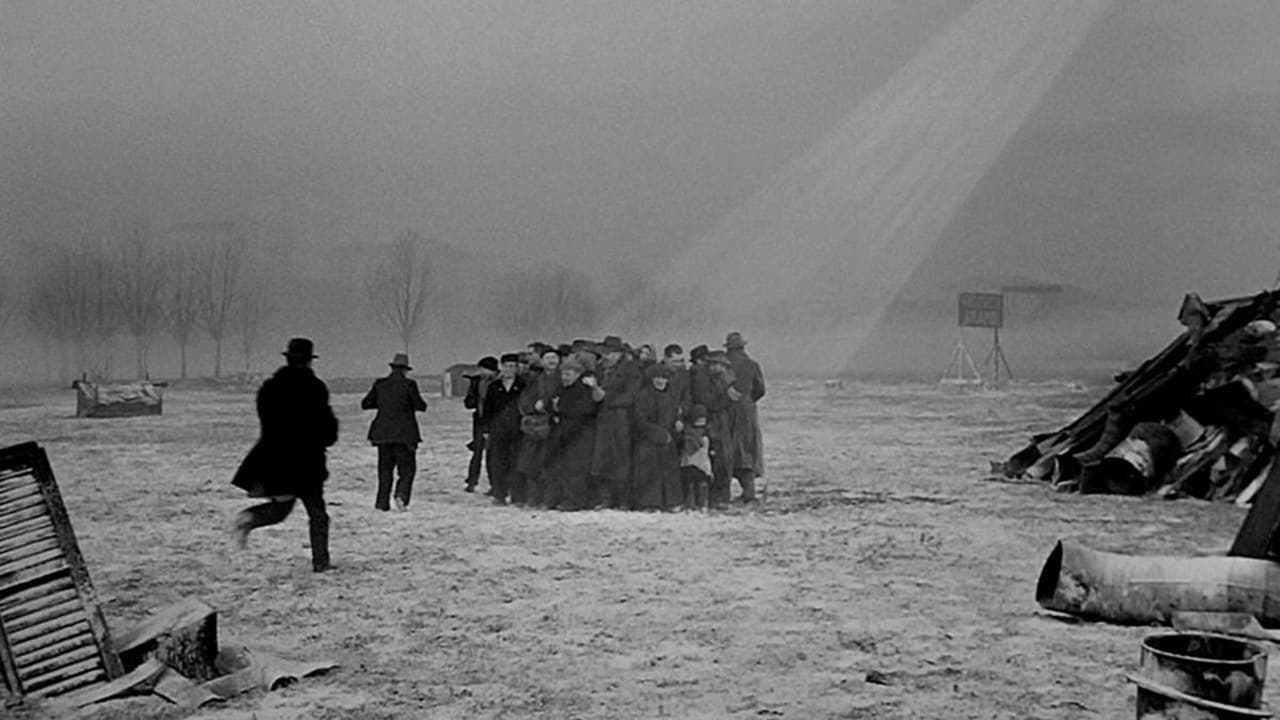
Miracle à Milan (1951) Chacun Cherche Son Film

Miracle à Milan MJC Taninges

Miracle in Milan (1951)

Miracle in Milan (1951) The Criterion Collection

Miracle in Milan (1951)

Miracle in Milan (1951)

Miracle à Milan de Vittorio De Sica (1951) Comédie dramatique
MIRACLE À MILAN artpano
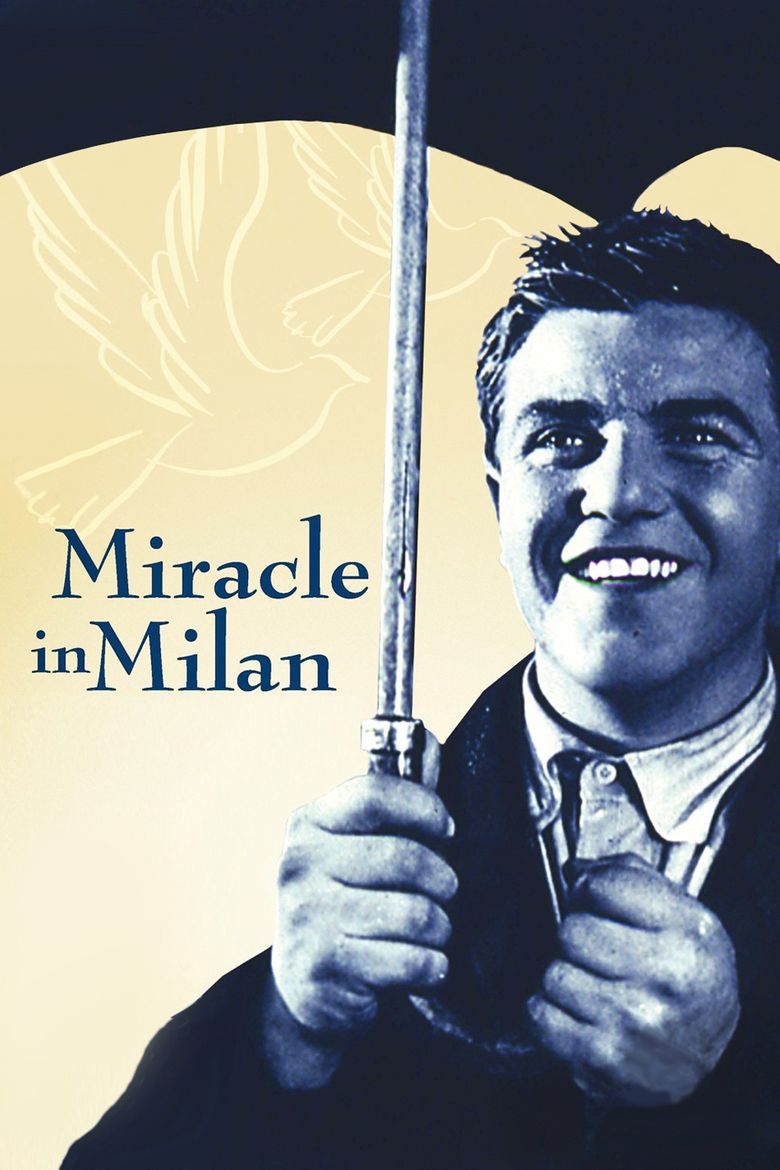
Miracle in Milan Alchetron, The Free Social Encyclopedia
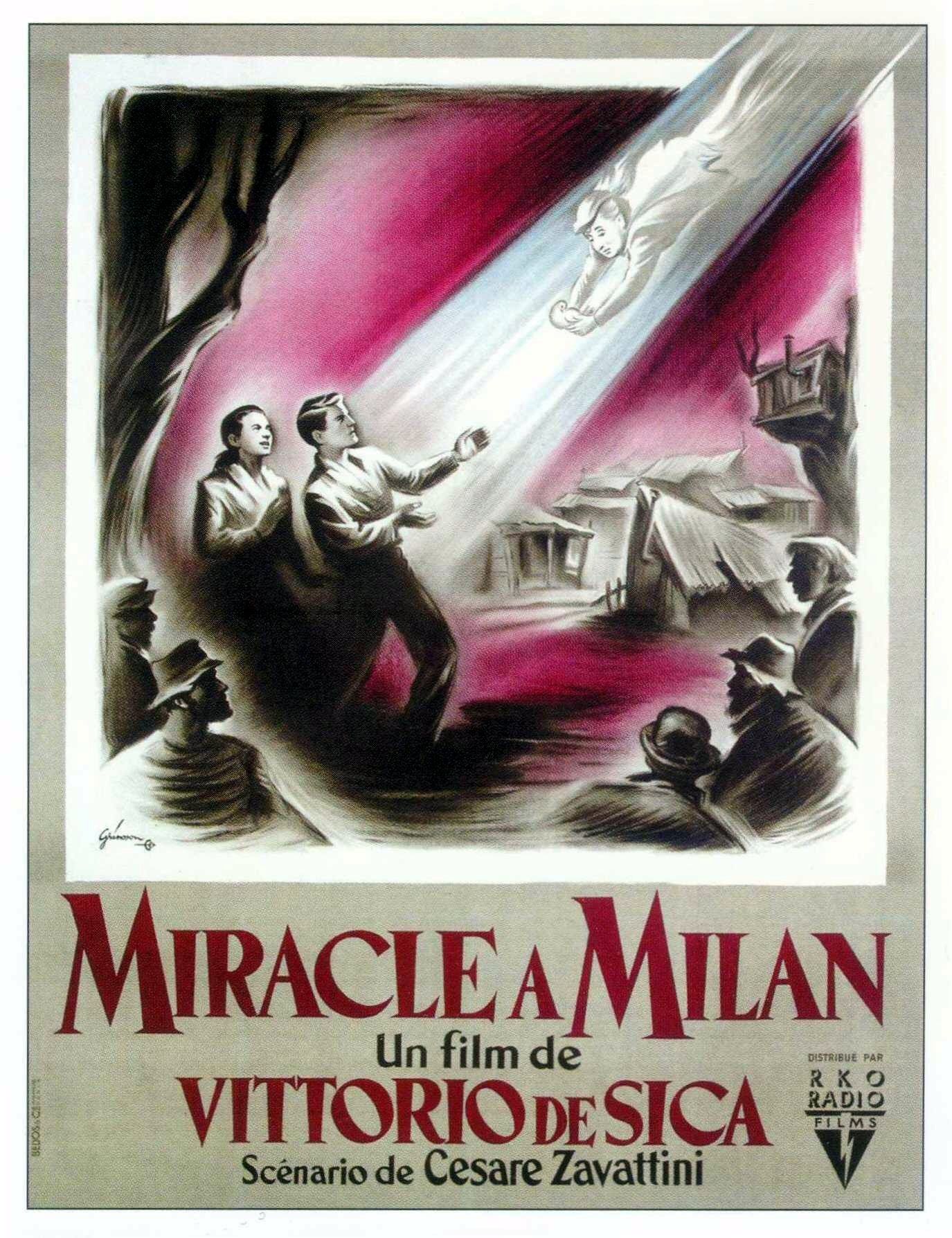
Miracle à Milan Film (1951) SensCritique
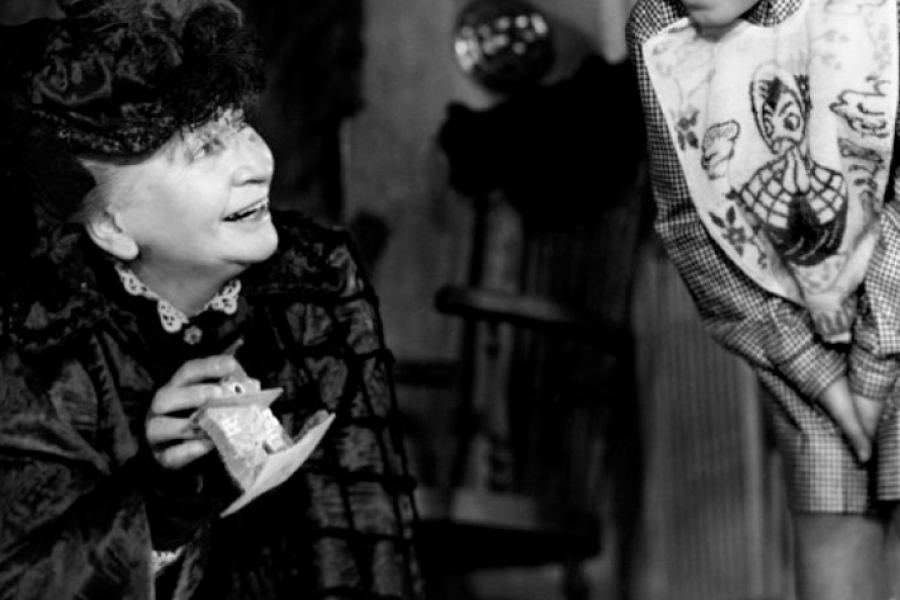
MIRACLE À MILAN Les deux scènes
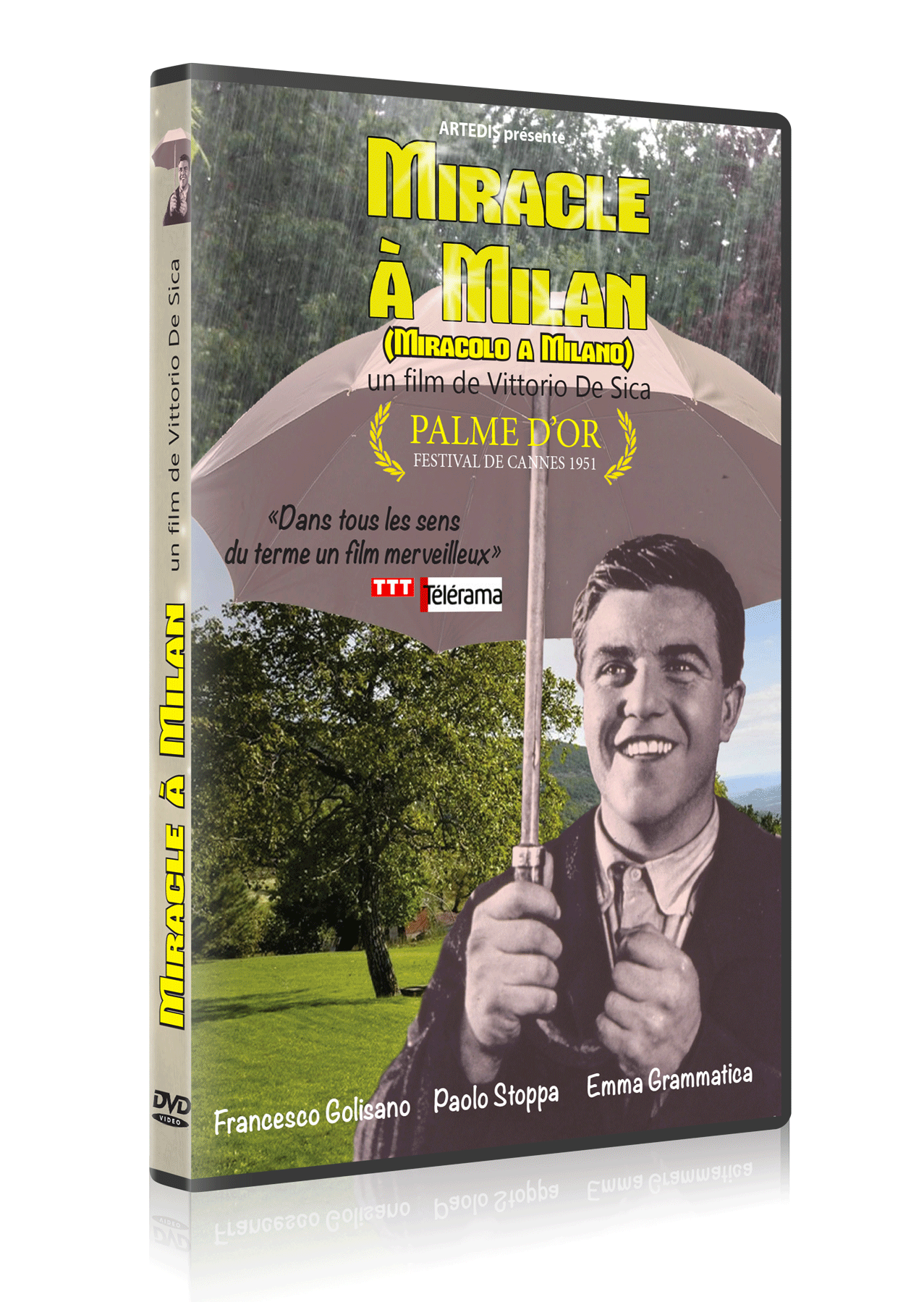
Miracle à Milan. Miracolo a Milano. Cet article est extrait de l’ouvrage Larousse « Dictionnaire mondial des films ». Comédie fantastique de Vittorio De Sica, avec Francesco Golisano (Totò), Emma Gramatica (Lolotta, la fée), Brunella Bovo (Edwige), Paolo Stoppa (Rapi).. Scénario : Vittorio De Sica, Cesare Zavattini, d’après son roman Totò il buono. Dans Miracolo a Milano ( Miracle à Milan ), Vittorio de Sica met en scène la vie du bienveillant Toto, trouvé dans les choux quand il était bébé. Un conte néoréaliste, fantastique et poétique qui décrocha la Palme d’or ex-aequo en 1951 au 4 e Festival de Cannes, et présenté en version restaurée à Cannes Classics.